



Eid Mubarak 2025
As-Salāmu ʿAlaykum wa Rahmatullāhi wa Barakātuh, On behalf of the Islamic Circle of North America (ICNA), I extend heartfelt Eid greetings to you and your loved ones. May this blessed day bring peace, joy, and renewed faith into your life. May Allah (SWT) accept our prayers, fasting, charity, and every act of devotion we offered in His path. This Eid arrives during challenging times, as our hearts remain with the people of Gaza and others facing hardship around the world. Even as we celebrate, we remember them in our duas and remain committed to justice and compassion.https://www.youtube.com/shorts/56hou4hcQKc Eid is not just a celebration—it’s an expression of deep gratitude to Allah (SWT) for drawing us closer to Him. That gratitude is best shown through action: by spreading the message of Islam with compassion, helping those in need, standing up for the marginalized, and responding to injustice with goodness. ICNA is committed to building a better future for our communities and our children, inspired by the beautiful teachings of Islam. But we cannot do this alone—we need you. Whether it’s through Da’wah, Relief, Young Muslims (YM), or Social Justice initiatives, there is a meaningful role for everyone, regardless of age or background. The time to act is now! Visit icna.org, learn about our mission, sign up as a Friend of ICNA, and support this vital work with your time, talent, and money. Donate. May Allah (SWT) bless you and your family with peace, guidance, and His infinite mercy. Eid Mubarak! Saad Kazmi President Islamic Circle of North America – ICNA
Seeking Knowledge: The Path to Paradise
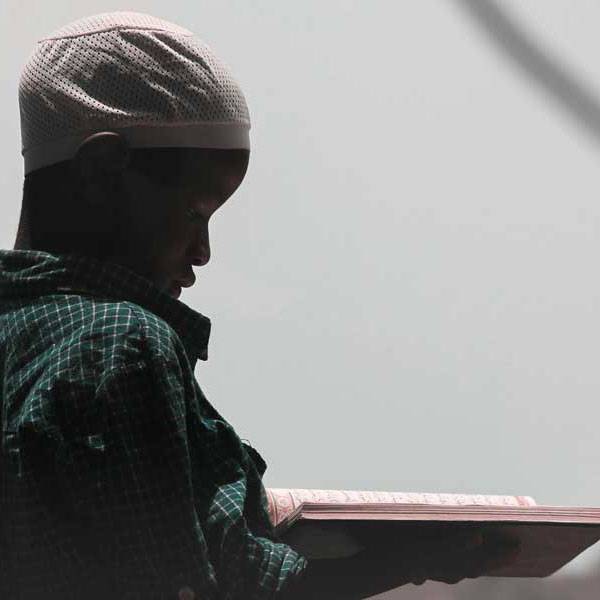
As children, we’re taught the first word revealed in the Quran was “iqra” (read) in Surah Al-Alaq. If thoroughly reflected upon, we see this word comes in the surah that also detail’s man’s conception, al alaq, or the clot. This emphasizes the importance of seeking knowledge, how it begins at our conception and is a cornerstone of our faith. The ayah itself instructs Prophet Muhammad (peace be upon him) to “Read in the name of your Lord who created.” When we ponder what this means, we can understand our purpose, become closer to Allah, and navigate challenges and hardships with sabr (patience) and contentment as Muslims. Although it is a simple concept, when performed diligently, internalizing this truth has the potential to be immensely beneficial. In the Quran and sunnah, the pursuit of knowledge is repeatedly praised, demonstrating its significance. Allah says: “Say, ‘Are those who know equal to those who do not know?’” (Quran: 39:9) This illustrates those who have knowledge are not equal to those without. In fact, knowledge has several impacts for believers. 1. The path to Jannah becomes easier for us The Prophet (peace be upon him) said: “Whoever takes a path upon which to obtain knowledge, Allah makes the path to paradise easy for him.” (Sahih Muslim) What an incredible reward, subhanallah! Although learning is not always easy and dictates we must carve out the necessary time, this should motivate us to make the effort, even if only for five minutes or for five pages a day. You might question what types of knowledge are being referenced? In fact, Islam encourages the pursuit of both religious and worldly knowledge. Religious comprehension strengthens our connection with Allah, while worldly knowledge enables us to contribute positively to society and the ummah. Both types are beneficial. 2. A perpetual path to reward Additionally, the Prophet (peace be upon him) said: “When a man dies, his deeds come to an end except for three: sadaqah jariyah (continuous charity), knowledge which is beneficial, or a virtuous descendant who prays for him.” (Sahih Muslim) This hadith highlights beneficial knowledge’s lasting impact. In contrast to one-time charity, sadaqah jariyah blesses individuals for generations, guaranteeing the giver will continue to be rewarded even after death. The phrase “beneficial knowledge” refers to spreading wisdom through teaching, writing, or mentorship, ensuring the impact of one’s guidance extends beyond one’s lifetime. Seeking and espousing knowledge then acts as a phenomenal opportunity to invest in long-term goodness, leaving behind a meaningful legacy through acts of charity, knowledge, and nurturing faith in future generations. 3. Knowledge elevates people Seeking knowledge is a means for people to be elevated. The Quran says, “Allah will raise those who have believed among you and those who were given knowledge, by degrees. And Allah is well acquainted with what you do.” (Quran: 58:11) How incredible! According to Imam Al-Qurtubi, this verse was revealed when the Prophet’s (peace be upon him) companions were asked to make room in learning gatherings. This emphasized the importance of making space for those who wish to gain from the event as well. He also explains that “by degrees” describes the various elevations in this world and jannah. According to some Islamic scholars, knowledgeable people will be hundreds of degrees above common believers in paradise. Imam Al-Qurtubi also points to a hadith where the Prophet (peace be upon him) said, “On the day of judgment, the ink of the scholars will be weighed against the blood of the martyrs, and the ink of the scholars will be heavier.” 4. Learning leads to taqwa (piety) Allah says, “Indeed, those who fear Allah among His servants are those who have knowledge. Indeed, Allah is Exalted in Might and Forgiving.” (Quran: 35:28). This show true knowledge leads to piety and consciousness of Allah (swt), allowing us to be closer to Him. What more could we desire to help us attain our true goal of His pleasure and paradise? 5. Knowledge leads to spiritual and personal growth The more we know, the more we grow. Once we understand the Quran and sunnah, our best course of action is to apply it practically and improve ourselves. We should cleanse our hearts, repent for our sins, and make goals in order to become better Muslim versions of ourselves. If we find ourselves plateauing in life or even being content with who we are and what we do, that is a problem. We should never settle when it comes to our behaviors, actions, characteristics, and deeds. In fact, we should only be seeking improvement. We can begin this journey with three simple, practical tips. 1. Make pure intentions Ensure your intentions are sincere and pure and your aim is to learn for the sake of Allah alone. Often, people start with pure intentions but overtime they become tempted by shaytan and shift to gaining knowledge for credentials or fame. The Prophet (peace be upon him) said, “Actions are judged by intentions.” (Sahih Bukhari, Sahih Muslim). Thus, we must constantly renew our intentions and make sure our actions are for sake and pleasure of Allah only. 2. Start with the basics Begin your journey with baby steps, and focus on the fundamentals first. Try your best to set practical and realistic goals. If you enjoy reading, start with a familiar topic or a simple podcast before you delve into deeper issues of fiqh or other advanced subjects. Ensure your Islamic foundation is solid before advancing. From there, gradually expand to other areas like fiqh, seerah, and tafseer. 3. Use time wisely Try your best to designate specific times for learning. Even 15-30 minutes daily can lead to significant growth over time. Abu Huraira reported: The Messenger of Allah (peace be upon him) said, “Take up good deeds only as much as you are able, for the best deeds are those done regularly even if they are few.” So, even if it’s a 15-minute podcast in the car, or a Saturday class you attend, stay consistent and don’t give up. Don’t be discouraged that you’re
What’s So Special About Ramadan? Fasting, Forgiveness, and Forever

When the crescent moon appears, Muslims around the world pause. Homes buzz with excitement, mosques fill with light, and families gather with a shared mission. For 30 days, they fast from sunrise to sunset, pray late into the night, and give generously to those in need. To outsiders, these rituals may seem intense and difficult, but at its core, Ramadan is about something deeply human: the pursuit of meaning, connection, and investing in the hereafter. Ramadan isn’t just a religious obligation. For Muslims, Ramadan is a spiritual “reset button”, a chance to earn rewards that transcend this temporary world and invest in what they believe is an eternal hereafter. What is it that drives Muslims to do not only fast in daylight hours, but also stand in prayer at night, give charity, and recite the Quran from cover to cover? At the core of Islam is the belief in an afterlife, a day when every person’s deeds are weighed, and their eternal fate is decided. This belief creates urgency. Life is unpredictable, but Ramadan is a guaranteed annual “window” to earn mercy and blessings. Muslims prioritize good deeds during this month, believing they’ll matter more in the hereafter than material wealth. It’s a mindset that echoes universal questions we all grapple with: What will you leave behind when you’re gone? For Muslims, the answer lies in acts of kindness, self-improvement, and faith, a legacy written in moments of hunger, prayer, and generosity. Fasting: Hunger with a Higher Purpose At first glance, fasting from food and water for 30 days sounds grueling. But for Muslims, it’s a transformative practice rooted in self-discipline and empathy We live in a time where instant gratification is the norm, we are bombarded with advertisements to indulge, “just do it”, “obey your thirst”, “have it your way”. Fasting allows a person to break free from materialism and reconnect with their spiritual side which may have been neglected for the entire year. Fasting offers a chance for a fresh start. Muslims believe sincere fasting during Ramadan erases past mistakes, offering divine forgiveness and renewal. The Prophet Muhammad (peace be upon him) emphasized this clean slate, teaching that those who fast with sincerity faith and hope for a reward from God are forgiven their sins. Beyond personal growth, fasting cultivates empathy. Hunger pangs become daily reminders of those who live without enough food or clean water, inspiring many Muslims to donate meals or funds during the month. But fasting isn’t just about food. It’s a mental detox. Muslims also avoid gossip, anger, and negative habits, training their minds to focus on what truly matters. Think of it as a spiritual parallel to modern wellness trends like intermittent fasting or digital detoxes, both trade temporary discomfort for long-term growth. The Night of Power: A Single Night, Lifelong Rewards Hidden in Ramadan’s final days is Laylat al-Qadr (the Night of Power). The Quran calls it “better than a thousand months” (97:3), a phrase that humbles the mind: this single night holds more spiritual weight than 83 years of devotion. For Muslims, it is the holiest night of the year, a cosmic window where heaven draws near, angels descend, prayers are answered, and mercy flows like rain. On this night, God’s forgiveness envelops all who seek it. Sins, both great and small, are pardoned by a loving God for those who turn to Him with sincerity. But the Night of Power is more than forgiveness; it is a divine multiplier. A whispered prayer, a single act of kindness, reading a single verse from the Quran, or even a moment of quiet reflection carries rewards beyond human comprehension, as though one had performed that deed tirelessly for lifetimes. Imagine planting a seed and watching it grow into a forest overnight. That is the promise of this night. Muslims search for Laylat al-Qadr in Ramadan’s last ten days, often retreating to mosques or staying awake until dawn. They recite the Quran, weep in supplication, and give charity, not out of obligation, but with the awe of someone handed a key to eternity. For believers, this night is not just a ritual. It is a chance to rewrite their story, to compress decades of spiritual growth into hours, and to leave a mark on the universe that outshines the stars. Charity: Generosity as an Investment in the Future Ramadan’s spirit of giving goes beyond writing checks. Muslims practice zakat (obligatory charity) and sadaqah (voluntary giving), aiming to purify their wealth and uplift others. But Ramadan’s charity carries a promise far greater than worldly impact. The Prophet Muhammad, peace be upon him, taught that “charity extinguishes sin as water extinguishes fire” (Tirmidhi), framing generosity as a lifeline to divine mercy. Every dollar given, every hand extended, is weighed on celestial scales. Sharing meals at sunset is a beloved tradition. The Prophet Muhammad, peace be upon him, taught that feeding a fasting person earns the same reward as the one fasting, a gesture of solidarity that strengthens communities. But charity in Ramadan is also strategic. Funding a water well in a drought-prone village, for example, isn’t just aid, it’s seen as an act that will quench thirst forever in the hereafter. This belief transforms generosity into a legacy, where every coin given becomes a tree planted in paradise, offering shade long after the giver is gone. Prayer: Quiet Moments in a Noisy World Ramadan nights are marked by Taraweeh, special prayers where Muslims recite the Quran together. These aren’t robotic rituals; they’re moments of calm in a chaotic world. Like meditation or journaling, these prayers offer scheduled pauses for reflection. Mosques fill with people of all ages and backgrounds, standing shoulder-to-shoulder, a monthly reminder that everyone shares the same hopes and struggles. The Quran’s verses, recited in melodic tones, become a chorus of mercy, inviting worshippers to ascend in spiritual rank with every word. Conclusion Imagine hitting pause on the daily grind, stepping back from the nonstop chase for stuff, and asking yourself: What really matters? Even if you’re not Muslim, there’s something here. When’s the last time you gave your soul a little attention?
When Oppressors Fall, Lessons are Learned
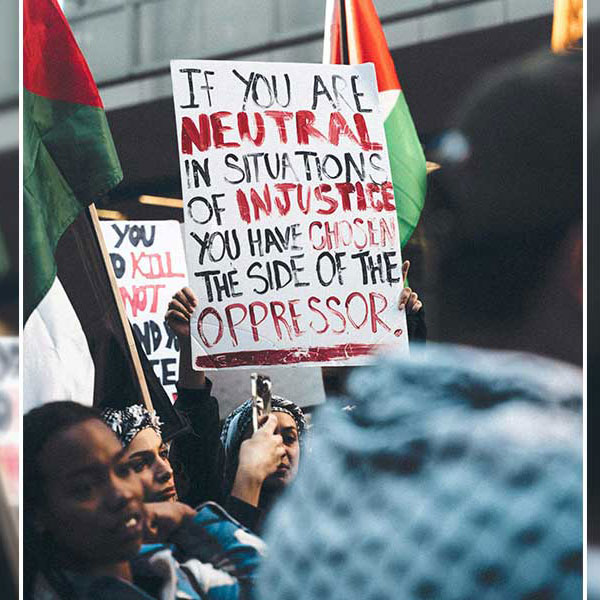
Human history is rife with oppression, often cloaked by illusions of grandeur, military strength, and wealth. Yet the Qur’an reminds us of one unchanging reality: When the powerful resort to tyranny, they will inevitably face divine justice. It’s easy to believe might makes right, but the Qur’an demonstrates that no degree of power, wealth, or influence can avert God’s decree. Whether in the past or today, the same pattern emerges – tyrants rise, grow arrogant, oppress others, and are eventually undone. The Arrogance and Fall of Pharaoh Consider Pharaoh, who ruled Egypt with absolute power and committed crimes fueled by pride, declaring, “I am your lord, most high!” (Qur’an 79:24). His unchecked arrogance led him to subject the Children of Israel to forced labor, to deny them basic rights, and to have their newborn sons killed. Today we witness tyrants using lethal force against innocents, like Zionist forces in Palestine. Like Pharaoh, they disregard human life, believing political or military power shields them from moral accountability. Yet Pharaoh suffered Allan’s wrath when he and his army drowned in the Red Sea, obliterating his empire. No worldly luxuries nor amassed wealth shielded him. The lesson? When tyranny challenges divine authority, it’s condemned to failure. Wealth and the Pitfalls of Arrogance And what of Qarun, of Prophet Musa’s (peace be upon him) community? He had immense wealth and believed it a result of his intellect and skill, not divine blessings, making him arrogant. Yet his wealth, like Pharaoh’s armies, couldn’t save him. The earth swallowed him and his treasure. “So, We caused the earth to swallow him and his home.” (Qur’an 28:81) Qarun’s downfall challenges materialism. We often celebrate wealthy people and view them as paragons of success. But the Qur’an tells us that, while wealth can be a blessing, if it fosters arrogance and neglect of moral and spiritual responsibilities, it can become a curse. Qarun’s story teaches blessings must be used to serve God’s creation rather than to inflate personal egos. Historical Empires’ Collapse Historically, grand empires and powerful regimes that once seemed immutable have vanished. The Persian Empire, the Roman-Byzantine Empire, and other colonial powers have crumbled, leaving behind ruins and lessons. When the French colonized Algeria from1830–1962, indigenous Muslim populations suffered. Cultural suppression was rampant, and those who resisted were persecuted, imprisoned, and subjected to violence. The French believed themselves invincible, supported by a powerful military and a sense of cultural superiority. Yet the colonial edifice eventually collapsed, just like past empires. At its zenith, the British Empire included large swaths of South Asia, North Africa, and the Middle East. Many Muslims lived under restrictive policies that stunted their economic growth, suppressed Islamic institutions, and dismissed local voices. Though it presented itself as a beacon of civilization, the Empire disintegrated over the course of the twentieth century. Modern Examples of Tyranny’s End Syria’s Assad regime once appeared unassailable, surviving over fifty years of systematic oppression, torture, sexual violence, arbitrary arrests, and extrajudicial killings. Political power once considered monolithic is now fragmented and unstable. Many Syrians, those who endured torture, families who lost children, and the displaced who fled for safety, rejoiced at even partial signs of this regime’s weakening. Despite an uncertain future, we know oppressors who believe their power permanent eventually face their vulnerability. Leaders aren’t alone in their tyranny. Abusers who harm via physical, emotional, or psychological means, can oppress as well. When they face justice, their victims are relieved, yet believers recognize real accountability extends beyond this life. The Prophet (peace be upon him) taught, “No one who has an atom’s weight of pride in his heart will enter Paradise” (Muslim), underscoring how even a small measure of arrogance leads to spiritual ruin. Pride and Paradise Pride doesn’t just lead to external oppression; it poisons from within. It blinds individuals to their flaws, distances them from divine mercy, and deceives them into thinking themselves self-sufficient. The Prophet (peace be upon him) warns pride is destructive and must be rejected, teaching that humility is the path to divine success. The Question of Justice Delayed If oppressors’ downfalls are certain, why do many live long, successful lives with no punishment. Both Belgium’s Leopold II and Russia’s Joseph Stalin’s regimes led to the deaths of countless people yet they died in bed, seemingly without earthly retribution. Countless Zionist politicians seem to “escape” with barbaric crimes against humanity. This can test faith. The story of the People of the Ditch in Surah al-Burūj depicts believers thrown alive into a ditch of fire. The Qur’an doesn’t mention their oppressors’ immediate downfall, suggesting they escaped punishment. However, the message is this: Divine justice is never absent, only delayed. “And never think that Allah is unaware of what the wrongdoers do. He only delays them until a Day when eyes will stare [in horror].” (Qur’an 14:42) When oppressors die without accountability, we must remember our perception is limited. Complete justice belongs to God, whose knows all and who settles all moral debts on Judgement Day. This knowledge strengthens faith. Having Hope in Divine Justice Delayed or unseen justice encourages a profound relationship with Allah. The believer’s trust doesn’t just hinge on what happens in this world but rests in the conviction that God’s justice transcends human limitations. While this can be a severe test for oppressed communities, the Qur’an reassures us. “The way [of blame] is only against those who wrong the people and tyrannize upon the earth without right. Those will have a painful punishment.” (Qur’an 42:42) Moreover, martyrs’ fate reminds us that one’s spiritual standing trumps one’s worldly circumstances. The People of the Ditch perished in flames, but they are immortalized as paragons of faith and resistance. Conversely, their oppressors remain examples of moral bankruptcy who faced the ultimate reckoning. As a result, we recognize that patience and steadfastness have cosmic value. Responding to Oppression The Qur’an and hadith emphasize believers mustn’t despair when oppressed. Even when the wheels of justice grind slowly, or not at all, Muslims must
Celebrating Black History Month
Black History Month is an opportunity to recognize the contributions and impact of Muslims within the Black community in the U.S. The intersection of African American history and Islamic history contains many key aspects. Historical points of contact: Early Muslim presence in America There are accounts of Muslims arriving in America long before the United States existed. Some scholars record that as early as 889, a Muslim from Spain traveled across the Atlantic Ocean. In the early 1300s, King Abu Bakari I of Mali led an expedition to the Western Hemisphere. Evidence of this includes corn from the Mali empire discovered in Central and South America, as well as cave drawings in Arizona depicting dark-skinned people with elephants. Arrival of enslaved Muslims Between 10% and 30% of the more than 10 million enslaved Africans brought to the Americas between 1530 were believed to be Muslims. Many maintained their Islamic faith throughout their enslavement. Some examples of enslaved Muslims include Ayyub ibn Sulaiman Jallon (Job Ben Soloman), who was the first known Hafiz in America. Bilali Muhammad, was a plantation manager who built the first known Masjid on Sapelo Island in 1824. Omar ibn Said, was an educated Muslim who was captured and enslaved. Yarrow Mamout, an enslaved African Muslim, bought his own freedom and became a wealthy businessman. Revolutionary War African Muslims also fought alongside colonists during the Revolutionary War. Post-Civil War The presence of Muslims existed in the Civil War. For example, Nicholas Said served in the 55th U.S. Colored Infantry Regiment. https://www.youtube.com/watch?v=hQhHEfLlbzw 20th and 21st Century milestones: Recognition of Islam Thanks to WWII Veteran Abdullah Igram, Islam was recognized as an official religion in the U.S. military under President Eisenhower in 1952. Civil Rights Era During the Civil Rights Movement, many African Americans converted to Islam. Some notable figures include Malcolm X, who advocated for human rights. Also, Muhammad Ali, who refused induction into the U.S. Army citing religious reasons. Influence on Black Nationalism Duse Muhammad Ali and Marcus Garvey had a considerable impact upon Garvey’s movement. Under the leadership of Stokely Carmichael, SNCC was influenced more by the idea of Black Nationalism. Political Representation Charles Bilal became the first Muslim Mayor of a U.S. City. Keith Ellison was the first Muslim elected to the U.S. Congress. Andre Carson was the second Muslim elected to the U.S. Congress. Athletes Kareem Abdul-Jabbar converted to Islam. Hakeem Olajuwan founded the “Islamic Da’wah Center” in downtown Houston to help educate people about Islam. Ibtihaj Muhammed is a U.S.A. Bronze Medalist in the Team Saber event. Awards and Recognition Muhammed Ali became the 1st Muslim to receive the highest civilian award in 2005. Kareem Abdul-Jabbar was awarded the Presidential Medal of Freedom in 2016. Mahershala Ali won the Academy Award for Best Supporting Actor for “Moonlight” and “Greenbook”. Female Public Servants Some examples include Yaphett El-Amin, Jamilah Nasheed, Leticia Plummer, Deqa Dhalac.
What to Expect at a Muslim Funeral: A Guide for Non-Muslims
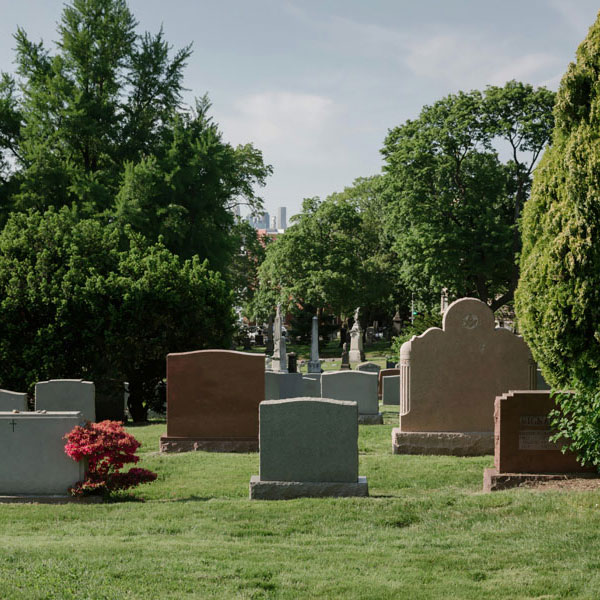
Attending a funeral is a solemn occasion that often brings people from diverse backgrounds together to honor a life that has passed. If you are attending a Muslim funeral, you may be wondering what to expect, how to show respect, and what traditions you might encounter. This guide is designed to provide non-Muslims with a clear understanding of Muslim funeral practices, helping you navigate the experience with sensitivity and awareness. In Islam, death is seen as a transition from this life to the next. Muslims believe in an afterlife and that this worldly life is a test for the eternal life to come. The rituals surrounding death and burial emphasize simplicity, humility, and a focus on prayers for the deceased’s soul. Understanding this spiritual framework can help you appreciate the practices you will witness. Key Funeral Practices Muslim funerals are marked by simplicity, dignity, and adherence to specific religious guidelines. When you arrive at a Muslim funeral, which often takes place in a mosque, you can expect a solemn and respectful atmosphere. If this is your first time visiting a mosque, check this article out. You may be asked to remove your shoes before entering the prayer area, a common practice in mosques to maintain cleanliness. Men and women might have separate seating areas, depending on the community’s traditions. There may or may not be a short talk about the deceased or reflections on the concept of death and the afterlife, depending on the family’s preference or the community’s customs. The central part of the funeral is the congregational funeral prayer, known as Salat al-Janazah. Sometimes, it is held immediately after one of the daily prayers, as this ensures a larger congregation can join in praying for the deceased. This prayer is usually performed inside the mosque or directly outside of it. Unlike regular prayers, this one does not involve bowing or prostrating. Instead, it consists of standing, reciting specific supplications, and praying for the deceased’s forgiveness and mercy. This prayer is short and takes about 5 minutes. As a non-Muslim, you are welcome to observe quietly but are not required to participate. After this short prayer, the casket is then carried out of the mosque and transported to the burial site. Sometimes, only men go to the graveyard to bury the deceased, while women may remain at the mosque. This practice varies across cultures and communities. The burial takes place as soon as possible after death, often within 24 hours. This quick timeline is rooted in Islamic teachings and emphasizes returning the body to the earth. At the gravesite, the body is placed directly into the ground, usually lying on its right side and facing Mecca (the direction of prayer for Muslims). Attendees may take turns pouring soil into the grave, a symbolic act of saying farewell and participating in the burial. This act is deeply spiritual, reminding attendees of their own mortality and the transient nature of life. Once the burial is complete, prayers are recited for the deceased, asking for their forgiveness and for ease in the afterlife. Etiquette at the Funeral Modesty is a key principle in Muslim culture, especially during solemn occasions like funerals. Men are typically expected to wear simple, modest clothing, such as a suit or slacks with a shirt. Women should wear long, loose-fitting garments that cover the arms and legs, and a headscarf is often appreciated as a sign of respect, though it may not be required. If you are unsure about what to wear, consider reaching out to the family or the person who invited you for guidance. The goal is to dress in a way that demonstrates respect for the occasion and the traditions of the family. It is important to arrive on time, as Islamic funerals are usually brief and follow a structured timeline. If the funeral prayer is held in a mosque, remove your shoes before entering the prayer area and observe quietly and respectfully. Express your sympathy to the family in a simple and heartfelt manner. Phrases like “I’m sorry for your loss” or “My thoughts are with you” are appropriate. If you are close to the family, you may also say, “May God have mercy on them” or “May they rest in peace.” Ensure that your phone is silenced or turned off to avoid disruptions during prayers or reflections. Be mindful of cultural customs, such as physical interactions. For example, some Muslim men and women may avoid handshakes with the opposite gender as a sign of modesty. Muslim funerals often do not include viewings or open casket ceremonies, as the focus is on modesty and prayer. However, there may be an open casket briefly where people see the deceased. Extravagance is avoided, with an emphasis on simplicity and avoiding elaborate decorations, expensive caskets, or excessive displays of grief. In some communities, men and women may stand separately during the funeral prayer or at the gravesite. This is not universal but is common in more traditional settings. For Muslims, the funeral is not only a farewell but also a moment to reflect on life’s temporary nature and the importance of preparing for the hereafter. The communal prayers and support offered during this time are acts of worship and solidarity, reinforcing the bond between the deceased and the living. If you’re attending as a friend, colleague, or acquaintance of the deceased or their family, your presence alone is meaningful. Simply being there to listen and offer a kind word can mean a lot. Grieving families may appreciate help with tasks such as cooking, errands, or childcare. Taking the time to understand the beliefs and practices associated with Muslim funerals can demonstrate respect and deepen your connection to the family. Conclusion Attending a Muslim funeral is a profound experience that provides insight into Islamic values of humility, community, and faith. By approaching the occasion with respect, an open mind, and a willingness to learn, you can honor the deceased and offer meaningful support to their loved ones. If you
Transition in the Leadership of ICNA – ICNA, From a Dream to a Reality!
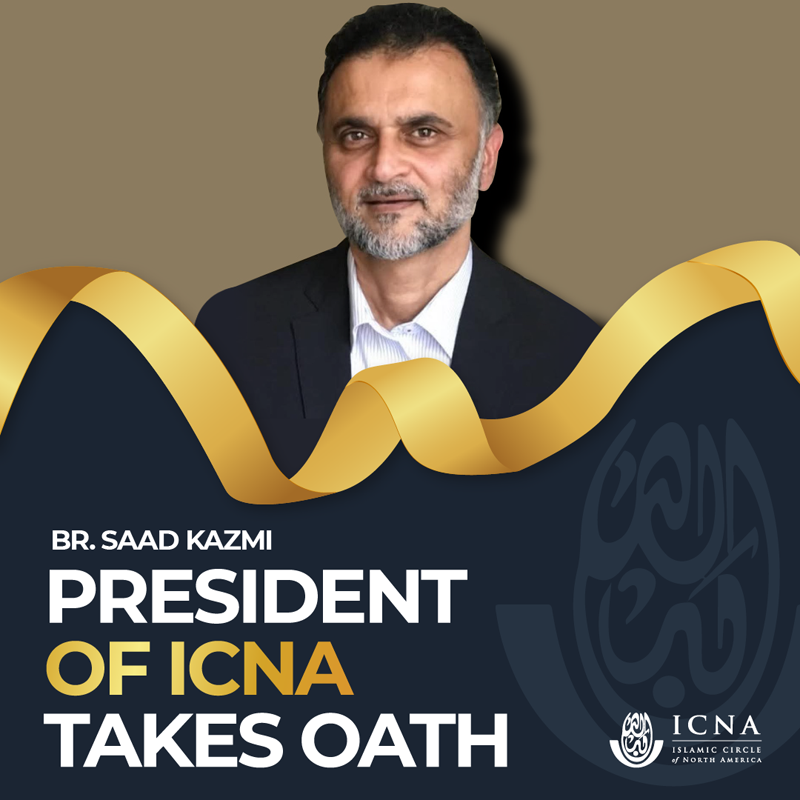
ICNA (Islamic Circle of North America), the largest and most active Muslim organization in the non-Muslim world, is progressing with new determination and leadership. Our beloved leader, and the outgoing president, Dr. Mohsin Ansari, handed over the charge to the new president, Saad Kazmi, who officially took the oath of the office on 1/25/25 infront of a heavily attended meeting of General Assembly held in Houston, Texas. During his farewell speech, Dr. Mohsin Ansari expressed gratitude to Allah SWT and extended his best wishes to the new president, urging all members to continue with sincerity, perseverance, and the spirit of sacrifice. https://youtu.be/JTwDLWYG_Qc In an emotionally charged environment, he invited and acknowledged senior and veteran ICNA members to the stage to honor their tireless efforts, selfless struggles, and the sacrifices. These remarkable individuals transformed ICNA into a “mighty tree” that now serves as a beacon of light and a center of hope for the Muslims worldwide. This moment reminds us that “leadership comes and goes, but the mission always remains.” The mission entrusted to us by Allah is the propagation of Islam, service to humanity, and unity of the Ummah, which we must collectively advance. ICNA has consistently worked day and night to address the challenges of American Muslims and the Ummah of our beloved Prophet PBUH, and remains committed to connecting future generations with the true message of Islam. We pray for the new president, Saad Kazmi, that Allah SWT grants him the wisdom, perseverance, and success, and that this caravan of Dawah and service continues to flourish. Allah says in the Quran:“And whoever helps the religion of Allah, Allah will surely help him and make him steadfast.” (Surah Muhammad: 7)
ICNA Relief Announces $250,000 to Support LA Wildfire Relief Work!

National Muslim Non-Profit Provides $250,000 in Relief Funds and Immediate Support to Families Impacted by L.A. Wildfires Los Angeles, California, January 12, 2025 – ICNA Relief USA, a humanitarian organization inspired by faith, has allocated $250,000 in relief funds and provided immediate support to over 3,000 families affected by the recent wildfires in Los Angeles. The organization is distributing essential supplies and offering critical assistance to those impacted by the disaster. Relief efforts include the provision of blankets, over-the-counter medications, hot meals, tents, sleeping bags, hygiene kits, and non-perishable food items. Additionally, trained counselors are on-site to provide emotional and mental health support to displaced families. “Our mission is grounded in the principle of serving humanity,” said AbdulRauf Khan, Chief Executive Officer of ICNA Relief USA. “We stand in solidarity with the people of California during this crisis and are committed to alleviating their suffering. By leveraging our resources and collaborating with local authorities, we aim to ensure aid reaches those who need it most as quickly as possible.” Upcoming Distribution Event: Today, January 12th, ICNA Relief USA will host a distribution event at the Dream Center (2301 Bellevue Ave, Los Angeles, CA 90026) at 3:00 PM. Families in need will receive essential items, including baby and adult diapers, wipes, and formula. Hot meals will also be provided to volunteers and first responders. Future events and distributions will be posted on the https://icnarelief.org/drs and community forums.As part of its ongoing efforts, ICNA Relief USA is assessing the long-term needs of wildfire-affected communities and developing sustainable recovery initiatives to help them rebuild their lives. How to Help: ICNA Relief USA is calling on individuals and businesses across the country to support its wildfire relief efforts through donations and volunteering. To contribute, visit https://icnarelief.org/drs. Every donation helps provide vital assistance to those impacted by the fires. About ICNA Relief: ICNA Relief USA is a non-profit organization dedicated to humanitarian service and disaster relief, guided by Islamic values of compassion and generosity. With a strong track record of responding to emergencies, the organization strives to bring hope and support to communities in need.
Statement Condemning the New Orleans Attack
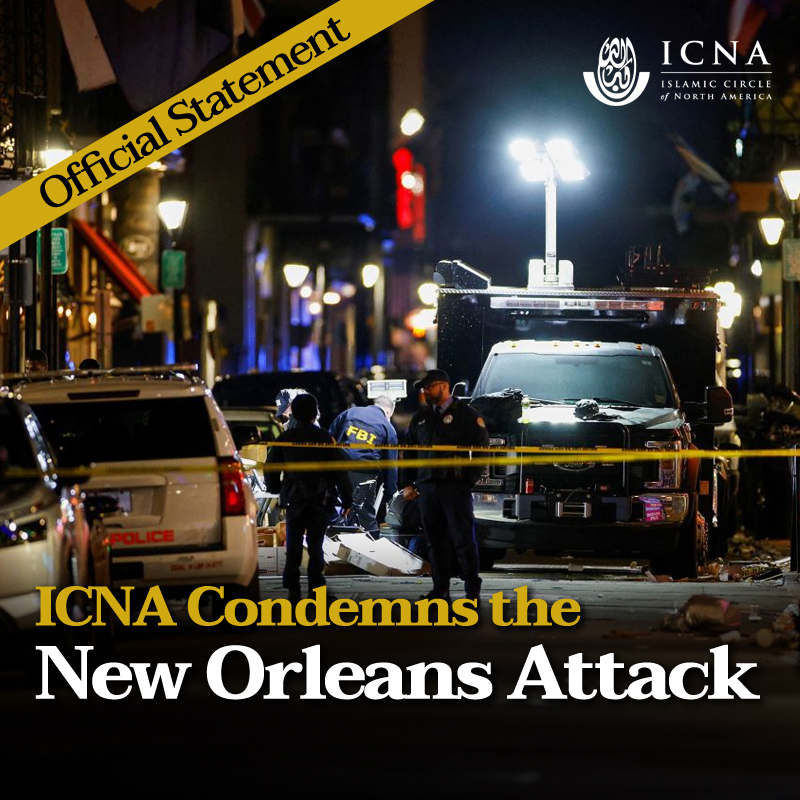
In the name of Allah, the Most Gracious, the Most Merciful. ICNA is deeply shocked and saddened by the heinous attack that has taken place in New Orleans. We extend our heartfelt condolences to the victims, their families, and the entire community affected by this senseless tragedy. Our thoughts and prayers are also with those injured, and we hope for their swift and complete recovery. As Muslims, we clearly condemn all acts of terrorism and violence, which have no place in our faith or humanity. Islam teaches compassion, justice, and the sanctity of life, and such actions are a direct violation of these principles as Allah SWT says: whoever kills a person, unless it is (in punishment by the authority) for murder or for spreading chaos in the land, then it is as if he has killed all of humanity. (Similarly), whoever saves a life, it is as if he has saved all humanity. (5:32) We also urge main stream media NOT to attack a faith due to actions of a deviated individual. There have been 488 mass shootings that took place in the USA in 2024. How many shooters were blamed for their acts because of their faith or lack of faith? Why did media not connect Brad Spafford of Virginia to his faith. FBI arrested this white man just two days back with 150 explosive devices. The Louisiana criminal is not an immigrant. He is a Texan army veteran of the Afghan war who was honorably discharged. ICNA also calls on people of all faiths and backgrounds to come together in unity and resilience against hatred and extremism in all its forms. We remain committed to fostering peace, understanding, and community support. Let this tragedy remind us all of the importance of rejecting division and embracing compassion and mutual respect. May we all work together to build a future, free of hate and violence!