



Ramadan — Some Keys to Unlocking Closeness to Allah
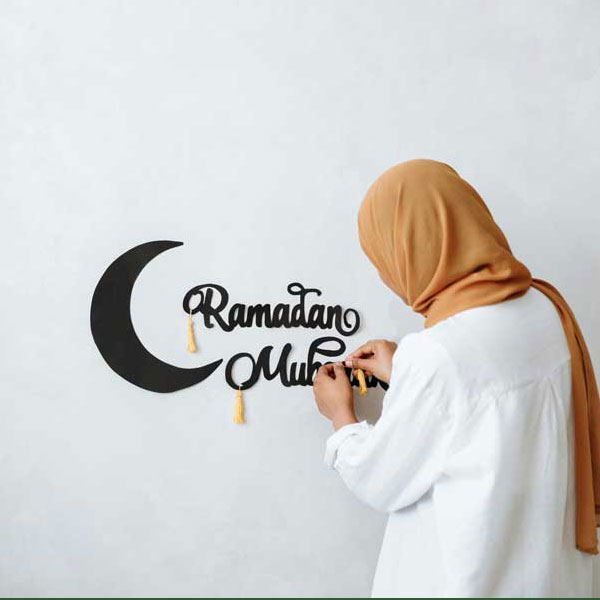
Ramadan is upon us once more, and I am excited. For Muslims across the world, it is the most important month of the entire year, filled with immense blessings and rewards. During this month, most people not only decorate their homes or re-stock their pantries, but they also generate ideas of how to increase their ibadah. This might include memorizing a new surah, listening to more lectures, going to tarawih prayer, and/or increasing acts of charity. There are so many different ways to increase closeness to Allah. One practice that I have adopted is attempting to memorize and understand more of the 99 names of Allah. In doing so, I gain greater understanding of the attributes of Allah and am able to incorporate their significance and ramifications into my daily life. Al-Salam One of the first names I studied is Al-Salam. Salam means peace, soundness, safety, and security. It also means perfection and freedom from fault. I am witness to Allah’s attribute of Al-Salam as the giver of peace and serenity because of the goodness He instills within mankind. Allah has created a world with dueling forces of good and evil. But He has promised us that ultimately it is the good within us that will lead us to Paradise. While it may seem strange to pinpoint human beings at the center of an example about Allah’s peace, it makes sense when you remember people in your life and in the world that embody peace. Have you ever met someone whose very demeanor and presence brings a feeling of calm over you? Or what about well-known leaders and scholars who have been the champions of peace in periods of intense conflict or war? Allah’s ability to create peace and inspire it in the heart of man, is something that brings me immense comfort. On the other hand, I connect with Allah when I personally am in need of peace, and it is life circumstances or human beings that have disrupted my peace. In moments when I need to find calm, I turn to Allah. Complaining to Him about my troubles and asking Him to bring me peace of mind and heart always leads to alleviation of stress. One du’a of the Prophet that I make is the following: “O Allah, I seek refuge with You from worry, grief, incapacity, laziness, miserliness, cowardice, debt, and being overpowered by others.” Al-Jabbar Another name of Allah that I ponder is Al-Jabbar. It means The Compeller. Yaqeen Institute breaks the meaning down further into two parts: 1) the One who is able to compel and subdue all His servants, with all of creation submitting to Him; and 2) the One who mends the broken and enriches the poor. As the world currently watches a worsening genocide, it brings me comfort to know that Allah will enact control over the oppressors and bring to justice those who have injured, harmed or murdered the innocent. The Prophet (s) said, “The arrogant and the tyrants will be gathered on the Day of Resurrection as tiny particles. The people will trample upon them due to their disgrace before Allah Almighty.” Yaqeen Institute also described the name Al-Jabbar as the One who mends what is broken and the One who consoles the hearts. This brings me comfort to know that those whose hearts have been harmed due to the disregard and abuse from their fellow man, will have their hearts soothed by Allah and their wounds healed. Al-Rahman One of the most well-known names of Allah is Al-Rahman, the Most Merciful. Rahmah is tenderness, kindness, care and compassion. Allah says in the Qur’an, “My mercy encompasses all things.” In that same vein the Prophet (s) told us, “When Allah completed the creation, He wrote in His book with Him upon the Throne, ‘Verily, My mercy prevails over My wrath.’” I rely on this name when I am feeling lost due to all the mistakes I have made in my life. In those moments I start to doubt myself and my abilities to do good and receive good. It’s a comfort to remember that as long as I am able to turn to Allah to ask for help or ask Allah for forgiveness, He SWT will always respond with mercy. Reflecting on the Names of Allah I have only mentioned three of the 99 Names of Allah. According to the Prophet (s), the reward is great for memorizing all of His 99 names. The Prophet said, “Allah has ninety-nine names. Whoever memorizes them will enter Paradise” (Bukhari and Muslim). We know of course that memorizing and reciting His names comes with further responsibility. We have to strive to understand the meaning and scope of each name and to see how each one can connect to, and impact, our daily lives. For example, we mentioned above that He SWT is Ar-Rahman, The Most Merciful. He is also Ar-Raheem, the Bestower of Mercy. So, when one has sinned, calling upon Him with sincere repentance, and asking for His mercy, can bring relief and set things straight. Allah SWT tells us in the Qur’an, “And the most beautiful names belong to Allah, so call on Him by them” (7:180). What better time than Ramadan to learn His names, to memorize as many as we can, and to reflect on their beauty and power and meaningfulness.
Welcome Ramadan
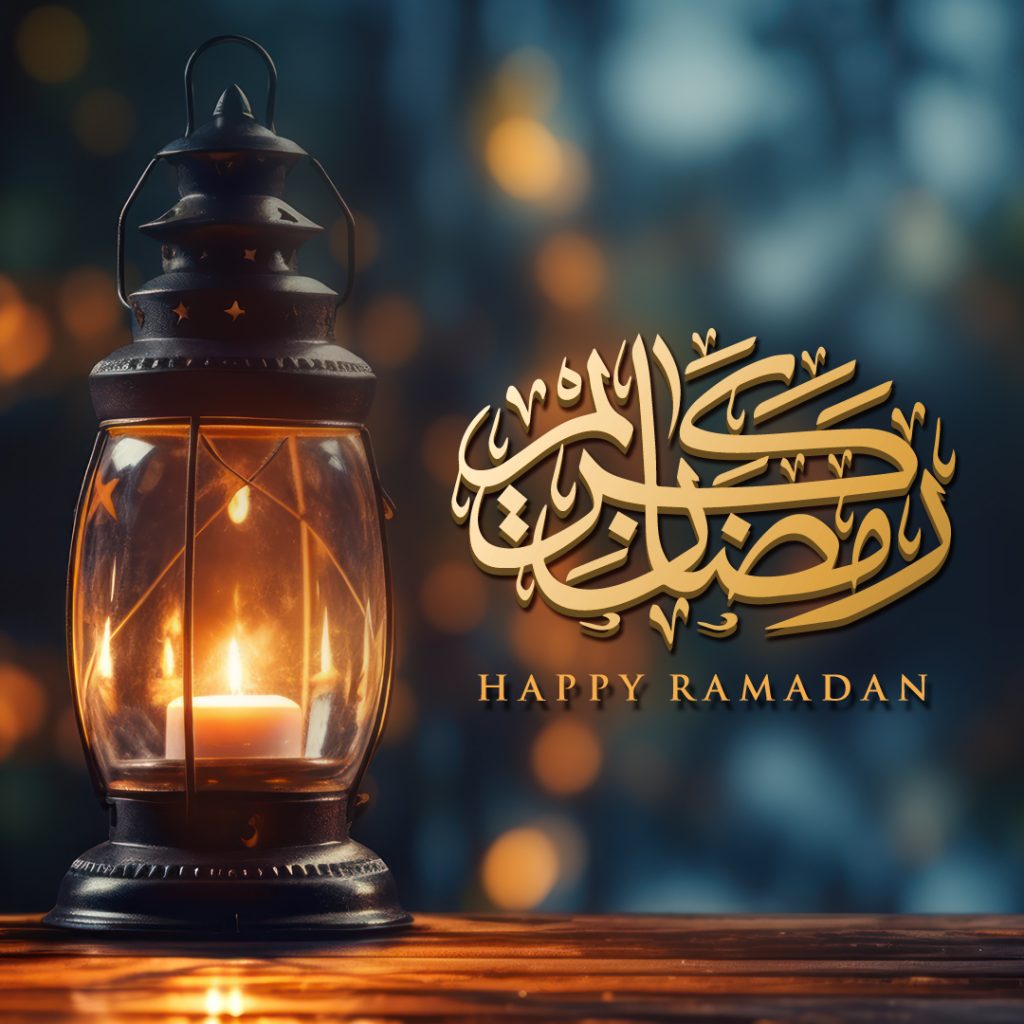
A Time of Spiritual Renewal As the crescent moon graces the night sky, Muslims worldwide prepare to welcome the sacred month of Ramadan. Marking the ninth month of the Islamic lunar calendar, Ramadan entails one of the Five Pillars of Islam: Sawm, or Fasting. From dawn until sunset, believers abstain from food, drink, smoking, and other physical needs as an act of obedience and submission to the will of Allah. Fasting during Ramadan is not merely a ritual; it is a deeply spiritual practice intended to cultivate empathy, self-control, devotion, communal solidarity, gratitude and purify our hearts, minds, and souls. The Quran describes Ramadan as the month in which the Holy Scripture was revealed as guidance for mankind, a beacon of light amidst the darkness. The significance of Ramadan extends beyond abstaining from worldly pleasures. It serves as a time of heightened spiritual awareness, a period for individuals to draw closer to Allah through increased prayer, acts of charity and seeking His forgiveness and mercy. Ramadan is not solely about refraining from food and drink; it’s about abstaining from sinful behavior, negative thoughts, and harmful actions. The atmosphere during Ramadan is filled with tranquility and devotion. Families and communities come together to break their fast, while mosques overflow with worshippers engaged in Taraweeh prayers, reciting verses from the Quran and seeking spiritual rejuvenation. Muslims should prepare themselves months in advance for the spiritual challenge of Ramadan. The Prophet Muhammad (peace be upon him) began his preparations for Ramadan even before the month of Sha’ban, fasting and increasing his acts of worship. Muslims engages in extra prayers, seek forgiveness for past mistakes and strives to improve themselves morally and spiritually. Reciting the Holy Quran during Ramadan is particularly emphasized, as it was revealed during this blessed month. Muslims should strive to complete the recitation of the entire Quran at least once during Ramadan, reflecting on its meanings and guidance for their lives. Ramadan fosters a sense of unity among Muslims worldwide, transcending geographical boundaries and cultural differences. Regardless of nationality or background, believers unite in their devotion to Allah, embodying the values of compassion, generosity, and humility. Charity and generosity are also central to Ramadan and Muslims are encouraged to give generously, support the less fortunate and build stronger bonds of compassion and solidarity within their communities. The act of giving during Ramadan, known as Zakat al-Fitr, ensures that all members of the community can partake in the joyous celebration of Eid al-Fitr, the festival marking the end of Ramadan. In today’s fast-paced world, Ramadan serves as a timely reminder to pause, reflect, and reconnect with our spiritual roots. It offers a sanctuary from the distractions of modern life, allowing individuals to deepen their faith and strengthen their relationship with Allah. Ramadan is a month of mercy and forgiveness with the belief that during this blessed time, the gates of heaven are open, the gates of hell are closed, and the devils are chained. This creates an atmosphere conducive to spiritual growth and repentance. As we embark on this sacred journey, let us embrace the blessings of Ramadan with open hearts and minds. It is an opportunity to strengthen one’s faith, purify one’s soul, and seek Allah’s mercy and forgiveness. As Muslims, we should all prepare to welcome Ramadan with sincerity, devotion, and a firm resolve to make the most of this blessed month. Let us strive to embody the principles of compassion, empathy, and humility in our interactions with others. May this holy month bring peace, blessings, and spiritual fulfillment to all those who observe it. Ramadan Mubarak! Wishing you a blessed and spiritually enriching Ramadan.
The Quran Perspective
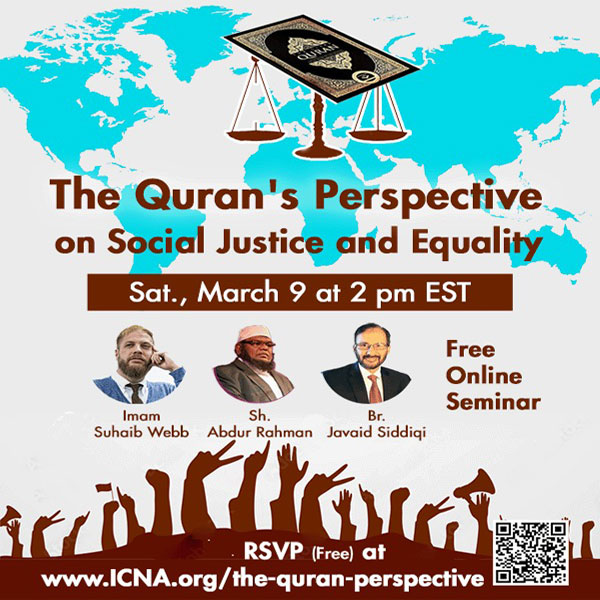
Fill out my Wufoo form! The Quran Perspective This webinar will focus on following: Delve into the Quran’s teachings on compassion, fairness, and dignity. Discover practical applications for addressing poverty and discrimination in today’s world. Reflect on Quranic Principles for Current Events in Gaza, Emphasizing Social Justice. About Panelists Suhaib Webb Suhaib Webb is a contemporary American Muslim Imam, thought leader and educator. After his conversion to Islam, Webb left a career in the music industry and pursued his passion in education. He graduated with a Bachelor’s degree in Education from University of Central Oklahoma. Imam Webb has completed the memorization of the Quran and holds a number of licenses from traditional scholars in various Islamic sciences. Imam Suhaib Webb strongly advocates for an authentic articulation of the American Muslim identity. Javaid Siddiqi He is currently the CEO of Helping Hand USA and the former President of ICNA. He’s an engineer by profession, Javaid holds a Master’s degree in electrical engineering. As a resident of Lexington, KY he is a regular Khateeb in his area masaajid. Sh. Abdool Rahman Khan Sh Abdool Rahman Khan is a graduate of the Islamic University in Madinah Munawwarah, in the faculty of Shari’ah (Islamic Jurisprudence) specializing in Islamic Inheritance. He is currently serves as the chairman of the Shari’ah Council of Islamic Circle of North America and a member of the Fiqh Council of North America.
Could Speaking Up About Palestine Affect Your Career?

Muslims in the U.S. might feel compelled or even morally obligated to educate others about the catastrophic destruction in Gaza, and many believe the First Amendment will protect their right to free speech. But can expressing their views about Palestine affect their current or future employment? In recent months, several prominent figures who have publicly voiced pro-Palestinian views have found their careers in jeopardy. Jackson Frank, a Philadelphia sports reporter, was fired after tweeting “solidarity with Palestine.” Michael Eisen, editor-in-chief of the journal eLife, lost his job after he retweeted a satirical article that he felt “calls out indifference to the lives of Palestinian civilians.” David Velasco, the editor in chief of the magazine Artforum, was terminated after he published an open letter from artists calling for “an end to the killing and harming of all civilians.” The Council on American-Islamic Relations (CAIR) reports, “Employees are experiencing intimidation should they choose to express support for Palestinian human rights. Multiple websites have emerged to target employees in recent days, documenting the names of individuals at major corporations who expressed support for Palestinians under attack in Gaza. Corporate executives, such as one JP Morgan Chase executive, have amplified efforts to intimidate employees who oppose the humanitarian crisis in Palestine. These efforts together send a clear message to employees: support for Palestinian human rights may cost them their career.” University students also have reason to believe their professional aspirations will be in jeopardy if they speak openly in favor of Palestine. An anonymous student at Harvard University told Al Jazeera, “Any graduate students who support Palestine have to come to a decision on whether or not they’re willing to put their future career on the line before they speak up.” Her worries are justified. When thirty student groups at Harvard signed a letter holding Israel “responsible for all the unfolding violence,” there was an immediate backlash. Some Wall Street executives demanded to know who was behind the letter so they could avoid hiring them. Additionally, many of the students were doxxed – their personal information was shared online to shame or intimidate them. On top of that, a conservative news media watchdog called Accuracy in Media parked a billboard truck by Harvard’s campus and displayed names and photos of students allegedly involved in the letter, calling them “Harvard’s leading antisemites.” Similar trucks appeared near other Ivy League campuses. In a country whose First Amendment supposedly guarantees the right of free speech, why are people being sanctioned for voicing their concerns, opposition, or opinions? Can Americans freely speak up about Palestine, or not? The answer is not black and white. Before you publicly share your opinions on Palestine, it would be wise to keep some things in mind: “Free speech” has limitations CAIR advises, “Employees should be aware that the First Amendment does not protect private employees from discipline because of speech. The First Amendment generally only protects public employees, like federal and state government employees, if they are speaking as a private citizen on a matter of public concern, and that speech does not disrupt the workplace. Some states have laws that protect employee speech, but not all do. It is your responsibility to be aware of your free speech limitations in your workplace.” CAIR adds, “Employees may have specific clauses in their employment contracts that impact their rights and legal remedies. Employees should review their employment contracts and consult with a local attorney to make informed decisions and protect their rights.” Take precautions on social media You might assume your employer isn’t reading your Instagram or Facebook posts, but if they’re public, anyone can see them. CAIR recommends that you take the following steps to ensure that you are not subjected to disciplinary measures at work: Set your social media accounts to private. If your account is public, use a pseudonym and remove any personal identifying information such as personal photos and location. Never identify your employer on your social media accounts. Do not post hateful or threatening content. Employers should be equitable Your private-sector employer might decide to sanction you for expressing pro-Palestinian sentiments, but in that case, they should also discipline anyone who voices pro-Israel opinions. CAIR notes, “Under both Title VII and Section 1981, employers should be mindful not to treat their Palestinian or Muslim employees differently than their Israeli or Jewish counterparts. A situation in which we believe an employee may have an actionable claim would be if a Palestinian or Muslim employee was disciplined for posting a Palestinian flag or expressing Pro-Palestinian sentiments at work, but an Israeli or Jewish employee is not disciplined for posting an Israeli flag or expressing Pro-Israeli sentiments at work. An employer would be discriminating against the Palestinian employee on the basis of national origin, or the Muslim employee on the basis of religion. Moreover, if employers are offering benefits such as paid compassionate leave to their Jewish or Israeli employees, an employer should offer the same benefits to their Palestinian or Muslim counterparts.” Resources if you face disciplinary measures or discrimination in the workplace “ANTI-PREJUDICE TOOLS: Guidance to U.S. Employees in Response to Islamophobic and Anti-Palestinian Rhetoric in the Workplace” https://pa.cair.com/actionalert/islamophobic-workplace-employee/ “What do I do if human resources wants to speak with me about my Palestine social media content?” https://islamophobia.org/wp-content/uploads/2023/10/What-do-I-do-if-Human-Resources-wants-to-speak-with-me-about-my-Palestine-posts-on-social-media-1.pdf Finally, remember that you do have the right to feel safe and fairly treated in your workplace. Title VII of the Civil Rights Act of 1964 protects employees and job applicants from employment discrimination based on race, religion, color, sex, and national origin. If you believe that your rights are being violated, contact CAIR immediately. Report any incidents of bias, discrimination, and/or harassment.
The Unity of Muslims Worldwide

There seems to be an impression among many that it is impossible to unite the Muslim world. However, unity does not imply: 1) unanimous agreement at all levels of government and society, and 2) unity does not imply conformity of views. Firstly, unity is not conformity. There are certain aspects of Islam that unite people across lines of jurisprudence, and even across theological lines (e.g., Sunni and Shia), and one clear-cut example of that is the profound issue of Palestine. Unity does not imply conformity of views; in fact, coalition-building itself, socio-political charters, like that of the Madinah Charter, did not imply that Muslims, Jews, and others held identical views. Prophet Muhammad (s) established a charter that governed all of Madinah, and it included non-Muslims, each with rights and responsibilities as citizens of the city. Unity is a political, societal, and structural tool, with a goal in mind. It’s critical to challenge the misconception that social cohesion requires conformity. The 1400-year-old Islamic tradition, especially within the vast community of 1.8 billion Sunni Muslims, is a testament to the strength found in diversity. The problem with equating unity and conformity is that some people, unfortunately, see disagreement as a cause and an evidence of conflict and enmity. Allah SWT’s words form the bedrock of unity in Islam: “And hold firmly to the rope of Allah all together and do not become divided” (3:103). This divine directive calls for unity that transcends worldly resources or constructs like wealth, political power, nation-states, citizenship, ethnicity, language, or any other distinction. In Islam, unity is a powerful, spiritual bond that brings together hearts and minds in a diverse yet harmonious collective, striving towards a common goal. In 7th century Arabia, an era dominated by the chains of slavery, the arrogance of the elites, and the social hierarchy that marginalized the weak, Allah SWT delivered a revolutionary message: “O mankind, indeed We have created you from male and female and made you peoples and tribes that you may know one another. Indeed, the most noble of you in the sight of Allah is the most righteous of you. Indeed, Allah is Knowing and Acquainted” (49:13). This profound verse shattered the entrenched class systems of Arabia, igniting a powerful transformation. It empowered Muslims to rise above societal norms and aspire for God-consciousness and piety, placing these virtues above all else. Moreover, this verse stands as a formidable beacon of diversity in Islam. It commands Muslims to acknowledge, respect, and celebrate the rich tapestry of differences in language, skin color, ethnicity, and all worldly distinctions. It’s a call to unity in diversity, where the true measure of nobility is not in one’s lineage or status but in their righteousness and love and fear of God. This is a clarion call for a world where equality and understanding must triumph over division and prejudice, echoing through the ages as a timeless reminder of the true essence of humanity. When the innocent in Palestine endure suffering, it sends waves of anguish across the globe to Muslims in New Zealand. The displacement of Muslims in Sudan resonates as deep sorrow in the hearts of their brethren in Pakistan. The trials faced by the Rohingya, Uighur, Yemeni, Syrian, and suffering Muslims anywhere around the globe, ripple through the ummah, a shared agony that unites us all. This collective empathy is akin to a person trying to sleep while besieged by a relentless fever or a throbbing headache, finding no solace in rest. Prophet Muhammad (s) profoundly stated: “The believers in their mutual kindness, compassion, and sympathy are just like one body. When any part of the body suffers, the whole body feels pain” (Sahih Muslim). We are that singular, interconnected body – transcending borders, transcending birthplaces. Our unity is not defined by geography but by the shared pulse of our passionate belief in Islam, feeling each other’s pain as if it were our own, standing in solidarity against the tide of suffering — unwavering and resolute. The Muslims who fled persecution from the pagan elites in Makkah and migrated to Madinah were known as the Muhajiroon (those who emigrate). The Muslims of Madinah, who welcomed and supported them upon their arrival, were called the Ansar (supporters). Upon their arrival in Madinah, Prophet Muhammad (s) paired each individual from the Muhajiroon with a member of the Ansar. This pairing aimed to facilitate assimilation, provide financial support, if possible, and extend a warm welcome to the families of the Muhajiroon in Madinah. Among the Ansar, individuals like Sa’d bin Rabi’ exhibited extraordinary generosity— he offered half of his wealth to his Muhajiroon companion, Abdulrahman bin ‘Awf. Abdulrahman, an intelligent businessman, politely declined the offer but requested to be shown to the marketplace so he could start building his livelihood from scratch. Whether Family or Society, Differing Opinions Are Expected Muslims are consistently instructed in the Qur’an and authentic hadith to maintain familial bonds, exercise patience and forgiveness, even towards those who may not reciprocate kindness, and to embody a higher standard of character. This ethos aims to foster family unity. However, this guidance should not be misconstrued as a tolerance for injustice or as overlooking urgent situations that necessitate intervention to prevent abuse and harm. It primarily addresses everyday interactions with relatives and family members who may be rude, irritating, argumentative, or unkind, despite one’s own kindness and exemplary character. Prophet Muhammad (s) stressed the importance of sustaining family ties, even when another family member may sever them. This does not mean, however, that family members are expected to have unanimous views on all matters. Should differences of opinion within a family lead to enmity and conflict? Of course not. Just as families are encouraged to embrace diverse viewpoints while working together and avoiding division, so too is the Muslim ummah expected to operate in a similar spirit of unity amidst diversity. There is unity of belief in the foundational principles of Islam such as the five pillars, the primary pillar of tawheed (oneness of
ICNA GA Meeting 2024
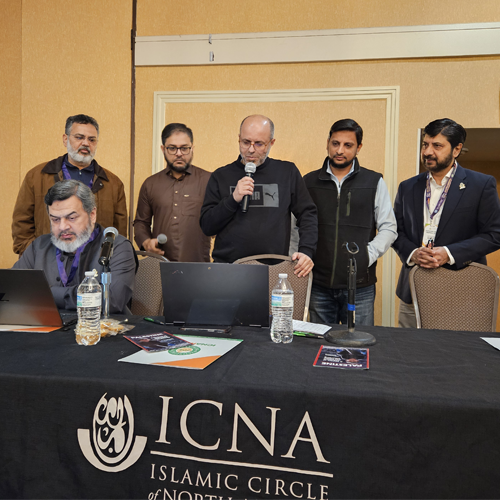
ICNA GA Meeting 2024 Hundreds of brothers and sisters, connected through a profound concept of a Jama’ah, look forward to year’s largest gathering of the members of the General Assembly of Islamic Circle of North America that occurs every year in January. This year GA meeting was held between Jan 19th through Jan 21st. Over 250 associates flocked in Houston, TX, from across the country, to participate in the annual report back program. There are many objectives of this annual meeting where ICNA MGAs not only review the previous year’s progress of ICNA’s chapters, regions, divisions, departments and programs, but it gives an opportunity of socialization to rebuild and strengthen the bond of brotherhood. Ideas to progress are shared in these interactions, and professional connections are made. The meeting was formally started on Friday evening with an inspiring presentation by Dr Abdul Aziz Abdul Raheem where he introduced a unique way of Arabic language learning. Despite severe weather conditions in many states, most of the MGAs checked-in by late night. Saturday after Fajar salaat, Hafiz Inayatullah delivered a heart touching Tazkeer in which he reminded the audience about sincerity and purpose of the gathering. The meeting resumed after a nice continental breakfast and for the most part of the day various reports were presented one after the other by the Markaz, Regions, Division and various departments including ICNA Relief, HHRD, Da’wah, Baitulmaal and others. Slido tool was used to ask any questions related to the presentations. Breaks for prayers, food and snacks were incorporated at appropriate times. MGA introductions were done during at place lunch. Senior MGAs were honored at the stage. Dr Talat Hussain, Dr Muhammad Yunus and Br Mustafa White shared some experiences and advice. All the resolutions were presented by the resolution committee. Most of the resolutions were related to various reforms in the elections process, therefore, they were sent to Shura with a suggestion to form an election reforms committee to create a proposal by August 2024 for presentation and approval by the MGAs. Sh Abdool Rehman Khan delivered a short khatirah on Sunday morning after Fajar and the meeting resumed right after breakfast. The heart of the healthy organizations is the accountability process that took place to give MGAs the opportunity to hold the Ameer, the Shura and individual MGAs accountable in front of all MGAs after following a prescribed process. The remaining short presentations were made before the end of the proposed time. Another pleasant feature of this meeting was the attendance of a good number of YM alumni and short spiritual reminders and some practical advice from three of them on different topics. Ameer delivered a short speech emphasizing on the need to engage families into Islamic work, fighting immorality and keeping up with the value of brotherhood. He closed the meeting with Dua. Lunch was served and MGAs started to leave after brief socialization with a aspiration to come back the following year.
Actions to Take Beyond March 4 Gaza
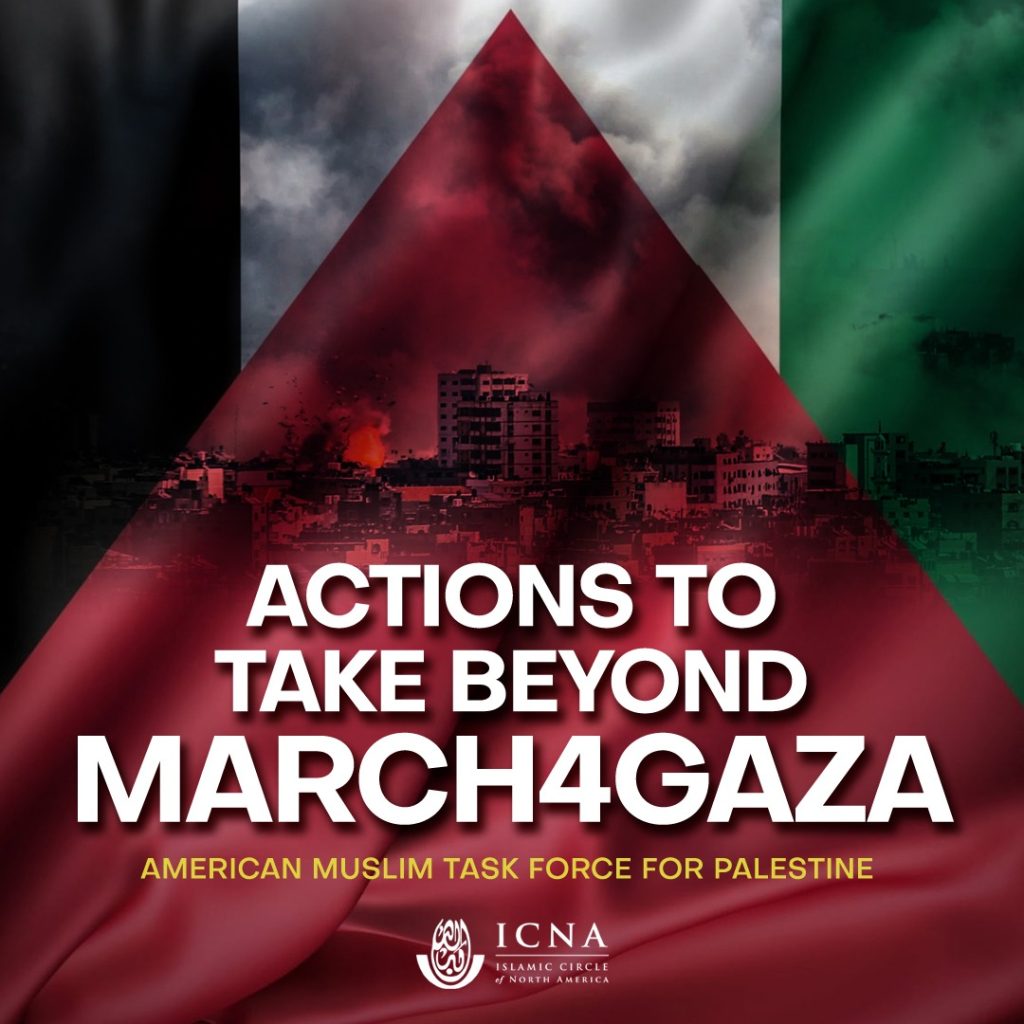
Sender: American Muslim Task Force for Palestine Subject Line: Actions to Take Beyond March4Gaza Title: Voices United: Historic Protest in D.C. Calls for Ceasefire, Accountability, and Justice in Palestine On January 13th, 2024, over 400,000 protestors marched through the streets of Washington, D.C., to reiterate our demands of the Biden Administration and Congress to: Call for and facilitate immediate and permanent cease-fire in Gaza End unconditional U.S. funding of Israel’s genocide against Gaza and the occupation of Palestine Hold Israel accountable for war crimes committed against the Palestinian people and its continuous violations of international law. In partnership with the ANSWER coalition, the American Muslim Task Force for Palestine would like to thank all who joined us in the largest protest ever for Palestine in the U.S. Thank you to the over 350 organizations who endorsed and answered our call to March on Washington for Gaza. Despite the harsh winter, Americans came from over 35 states and 125+ cities to join their voices and demand the Biden administration listen to the people’s will. This historic march on Martin Luther King Jr. weekend was a monumental moment for the movement for Palestine and a moment of reckoning for the Biden administration. Our collective demands and message were clear: We need an immediate and permanent ceasefire in Gaza, an end to the US aid for Israel, and for Israel to be held accountable for their violations of both US and international human rights. With over 26,000 Palestinians killed in Gaza by Israel, 60k+ injured, and over 1.9 million internally displaced, we need to maintain the momentum and continue acting to save lives. U.S. complicity in this genocide and occupation of Palestine must come to an immediate end. The American movement for a just U.S. foreign policy and the liberation of the Palestinian people is a multiracial, multifaith, and multigenerational movement. Our efforts will, God willing, continue until we see a free Palestine. We urge those who joined us to continue mobilizing and organizing. We invite you to take these next three steps. Organize locally for a ceasefire resolution Call and email your Members of Congress until there is a ceasefire Donate to the cause The American Muslim Task Force for Palestine is deeply grateful for your commitment to justice. Martin Luther King Jr. once said, “injustice anywhere is a threat to justice everywhere.” While we pray for our Palestinian brothers and sisters, we will also not relent in our efforts to demand justice and the liberation of all of Palestine. Signed, American Muslim Task Force for Palestine ————- The American Muslim Task Force on Palestine includes American Muslims for Palestine (AMP), Council on American-Islamic Relations (CAIR), Islamic Circle of North America (ICNA), Muslim American Society (MAS), Muslim Student Association-National (MSA), Muslim Legal Fund of America (MLFA), Muslim Ummah of North America (MUNA), and Young Muslims (YM).
Fostering Prosocial Behavior in Our Children
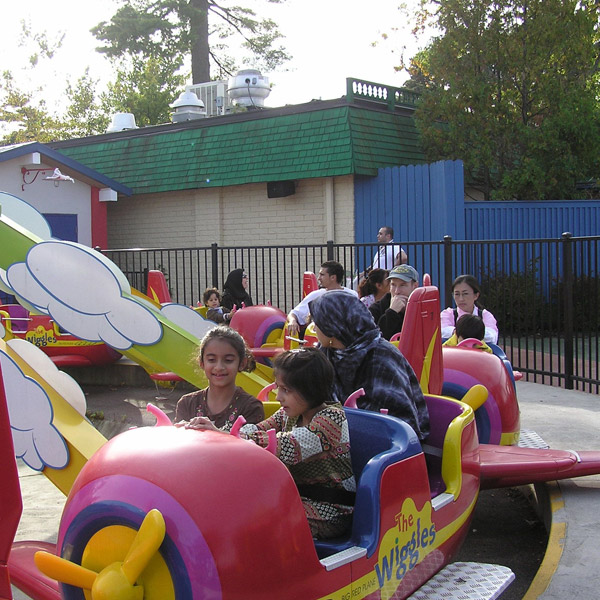
In the field of developmental psychology, researchers highlight two critical objectives in parenting. The first revolves around helping our children learn prosocial behavior — using words and actions aimed at benefiting, helping, or caring for others out of recognizing the importance of considering their feelings and experiences. This could be as simple as showing kindness through gentle, encouraging words. Being patient, actively listening to another person, helping someone who needs assistance, being charitable with one’s time, money, or other resources — all of these, and more, are prosocial behaviors. The second parenting objective, according to some researchers, is competence, which is having the knowledge, skills, and experience necessary to perform a task or achieve a goal. This article will focus on the first objective, fostering prosocial behaviors in our children. It is important to note that Islam is a way of life, a daily practice, that develops in the believer every sort of prosocial behavior. This is expressed in individual relationships and in societal dynamics. Indeed, Islam emphasizes taking care of those in need, providing for widows and orphans, and championing social justice so that the rights of the poor and marginalized are protected and advanced. Prophet Muhammad (s) was the embodiment of these prosocial behaviors. He also is the greatest model of healthy interpersonal relationships. He said, “The believer gets along well with others and is easy to get along with” (al-Daraqutni). He was always aware of and committed to taking care of the needs of those around him. We should try our best to teach our children to follow in the footsteps of the Prophet (s). This requires us, as parents, to facilitate the development of these prosocial characteristics as part of a general tarbiya. Tarbiya is the training of an individual to develop the physical, emotional, mental, moral, and spiritual aspects of good character and living in accordance with the deen of Islam. Factors for Prosocial Development As parents, we can take some steps to nurture prosocial behaviors in our children. Some of these steps are the following: Open displays of warmth and affection Positive reinforcement Involvement in, and active monitoring of, children’s activities Consistent and authoritative disciplinary approaches and actions Implementing the above components of good parenting results in positive psychological and social adjustment in our children, as well as academic competence, high self-esteem, positive peer relations, and fewer behavior problems, according to research such as that done by Diana Baumrind et al. Warmth and affection Open displays of warmth and affection means expressing our love for our children, encouraging them, providing them with emotional support, and being there to take care of their needs. Warm and responsive caregivers are attentive, comforting, and engaged, providing the child with a sense of security and trust in the caregivers. This is completely in alignment with Islamic standards. One time the Prophet was delivering a khutbah. His grandson, who was very young, came into the masjid and tripped on his own clothing which trailed on the ground. The Prophet immediately stopped his talk to the congregation and picked up his grandson to comfort him. The Prophet, who was the most manly of men, did not shy away from showing his gentle side and his affection for children, even in public. Researchers Zhou, Valiente, and Eisenberg report that parental warmth and responsiveness are associated with several positive outcomes in the child’s development, such as secure attachment, emotional regulation, social competence, and positive cognitive effect. When parents consistently display warmth and responsiveness, they provide a secure base from which the child can explore the world, seek comfort as needed, and regulate their emotions as they learn to socialize with other children and navigate the learning challenges they encounter. Parental warmth and responsiveness help shape them into emotionally and psychologically well-adjusted adults. Positive Reinforcement All children misbehave. Like adults, they make mistakes, but in addition to that, childhood is the time during which human beings learn the rules of the game of life. They do not come into this world knowing the rules. Positive reinforcement is a way of focusing more on their successes than their failures, highlighting their gains and accomplishments more than their mistakes. There are endless ways to reinforce good behavior — praising them, giving them a hug, allowing them a privilege like staying up later on the weekend, and so on. Punishment instills fear in the child, and for some serious breaches of behavior that is necessary. But for most childhood misbehaviors, punishment is not necessary. Positive reinforcement looks for moments that the child is behaving well so as to make that the main focus; and when the child is misbehaving, the parent seeks out ways to utilize that as a learning moment. More about discipline will be discussed below under “Consistent Disciplinary Strategies.” Active Monitoring The third factor in facilitating positive prosocial development is being involved and actively monitoring of your children’s activities. Studies, such as that conducted by Raboteg-Saric, have demonstrated that children who perceive themselves as well-behaved and have parents who actively participate in and supervise their daily activities are less likely to experience behavioral issues, and older youth are less prone to misuse or even consume drugs. They also found that parental involvement and supervision of the children’s day-to-day activities seemed particularly important during early adolescence. Parental monitoring encompasses the awareness and oversight of all aspects of the child’s life, including his or her friendships, school activities, the content they are viewing or engaging in online and how much time they spend in front of screens. As mentioned, parental monitoring is especially important during the pre-teen and teen years. This includes knowing their whereabouts, their leisure time activities, and the company they keep. During the teenage years, the youth will typically push back on such monitoring. So, parents have to make it clear that they are in charge until children reach adulthood. Yet it is important that the monitoring of one’s children be done with wisdom and discretion so that it does not feel to the
Martyrdom in Islam

In Islam, the concept of martyrdom (shahada in Arabic) refers to the act of sacrificing one’s life to testify and bear witness to one’s faith and a noble cause. On a deeper spiritual level, it represents the ultimate demonstration of one’s commitment and devotion to God and religious principles. The Arabic word shahada literally means “to visibly witness” or “to testify.” In the context of martyrdom, it refers to visibly and outwardly witnessing and testifying to one’s steadfast faith in God through the action of sacrificing one’s life for a noble cause or ethical purpose. It is a common misperception that martyrdom means Muslims purposefully seek violence or death. This distorts the Quranic principles around the sanctity of human life and allowance of self-defense in restricted cases of aggression. Martyrdom does not mean wanton violence is religiously justified. Rather, it refers to the willingness to sacrifice one’s life for the sake of resisting injustice and oppression. Both violent and nonviolent scenarios apply, such as dying while protecting innocents or engaging in civil disobedience against authoritarian rule. The Quran praises those who speak unwelcome truths to oppressors—facing potential imprisonment or execution—analogous to contemporary human rights advocates. Martyrdom represents devotion to righteous causes expressed through courageous confrontation of injustice, not indiscriminate violence. Martyrdom Across all Cultures A clear sign of prejudice regarding Islamic martyrdom is the quickness by which Western media and politicians dismiss Muslims sacrificing their lives as brainwashed extremists – while any parallel self-sacrifice for a cause in a Western context earns praised as heroic conviction. For example, there is often a denial of the Israeli oppression and violence committed against Palestinians, followed by immediately condemning Palestinian martyrs as terrorists. Little consideration occurs whether radical reaction emerges only after facing systemic discrimination, military bombardment, and brutal occupation threatening their lives daily. However, Martyrdom holds an esteemed role in Western society, as evidenced by the reverence for those who have sacrificed their lives for honorable causes throughout history. Figures like Martin Luther King Jr, Abraham Lincoln, and American soldiers in foreign wars are praised for their conviction and willingness to die for higher principles of freedom and justice. Streets and institutions are named after Western martyrs who stood up against oppression. However, when Muslims sacrifice their lives against similar oppression and injustice, they rarely receive this same martyred recognition in the Western consciousness. Whether dying while resisting authoritarian rule, Israeli occupation, or Western military operations, Muslim martyrs tend to be dismissed as extremists rather than human beings responding to untenable conditions of systemic violence and discrimination against them. Their acts of courage and conviction against injustice go ignored, if not condemned. This double standard requires reconsideration when appreciating the concept of martyrdom in Islam. While honorifics like “the conscience of America” or fighting for “The Free World” get bestowed onto Western protester martyrs, Muslim activists imprisoned and killed for representing the conscience of their communities receive accusations of being part of a death cult. What accounts for such prejudice? It speaks firstly to a failure of humanize Muslims – an inability to view Muslim martyrs as complex humans like those in the West. Furthermore, Orientalist biases rooted in colonialism still influence Western perceptions today. Media depicts the Middle East as a static place filled with religious fanatics inclined toward violence, ignoring nuance or self-determined resistance against very real oppression across the Muslim world. Such distortions say more about Western propaganda still painting the region through outdated lenses. Appreciating the real meaning of martyrdom in Islam requires relinquishing residual ignorance. What is Martyrdom in Islam? The concept of martyrdom holds deep theological and spiritual significance in Islam, referring to the willing sacrifice of one’s life to testify and defend the Muslim faith against adversity. In its exalted status, martyrdom represents the ultimate form of devotion, conviction, and selflessness in upholding righteousness. Historically, martyrdom emerged during the early Muslim community’s persecution for openly practicing Islam. Facing exile, torture, and execution for their beliefs, early converts sacrificed their wellbeing and lives to uplift the newfound faith. Those killed while steadfastly refusing to give up their faith became immortalized as martyrs. They are examples because they sacrificed their lives to fulfill a higher moral purpose. Their dedication and sacrifice in the face of hardship continue inspiring Muslims through the present day. However, martyrdom in Islam is not limited to those who die in battle. It includes those who lose life prematurely by natural causes, accidents, or illnesses, and even mothers who lose their lives while giving birth. Others may speak unwelcome truths and endure imprisonment or death at the hands of unjust rulers. Additionally, those who sacrifice their lives on the battlefield protecting Muslim community against oppression or invasion also earn recognition as martyrs. Martyrdom has great heavenly rewards promised to those who sacrifice themselves for righteousness. According to multiple verses in the Quran and sayings of the Prophet Muhammad, peace be upon him, martyrs occupy the highest ranks of paradise and remain eternally blessed by their devotion. They gain immediate entrance to heaven upon death rather than judgment, and have all past sins forgiven in light of their ultimate sacrifice. As a sign of their exalted status, martyrs gain the right of intercession – the capacity to appeal to Allah to offer salvation to their living or deceased relatives. The Quran describes the martyrs being alive: Do not think those killed for God’s cause are dead. No, they are alive with their Lord, well provided for (Quran 3:169). Such reward emphasizes that martyrdom represents the peak of conviction and moral purpose for Muslims – sacrificing ephemeral worldly pleasures for everlasting spiritual joy in the presence of the One eternal Creator they devoted that life to. Conclusion The concept of martyrdom in Islam transcends the narrow misperceptions that often cloud its understanding, particularly in Western societies. Martyrdom, or shahada, represents the pinnacle of commitment and devotion to God, a testament to the unwavering faith and moral purpose that underpins this sacred sacrifice. It is important to dispel the notion that martyrdom in Islam